We recently returned from our latest Flux offsite in Sintra, Portugal. TLDR: it was easily our best yet. I can highly recommend Portugal as a beautiful, historical, fun, and surprisingly accessible place to get to for a distributed team.
We went in with a few simple goals for our time together:
- Build relationships
- Ensure alignment
- Share best practices
- Work together
- Have fun!
We checked all of those boxes, and some more. But a few things stood out for me.
Doubling down on engineering leaders
We had one clear overarching theme: more convergence on making engineering leaders successful. The pressure to innovate in the Age of AI is only increasing, and the breakneck pace of change is creating turbulent times for VPs of Engineering (to put it mildly). But over the last year in particular, we’ve learned how to help them harness the AI-driven chaos and prove success using ground-truth intelligence from the code itself, not just relying on tickets and status reports.
Much of our time in Portugal was spent figuring out how to double down on that in a way that stays true to Flux’s code-first, zero-effort, fast time-to-ROI approach. Particularly in light of other conversations about how we build that I’ll detail below, there is some cool sh!t going into Flux soon :-)
The convergence, however, isn’t limited to our relationships with customers. It’s becoming increasingly clear that the metrics, insight, and guardrails we are focused on delivering to our customers are desperately needed more broadly across the industry. The recent outages at Amazon, reportedly related to AI-assisted code generation and deployments, are just one recent example of why engineering leaders need early, code-based indicators of potential problems before small issues escalate into large, very public, problems.
Leaning into AI across the business
We spent a lot of time here, from lightning talks about using AI generally across all parts of the business to detailed sessions on how to extend our use of AI in how we build. We already start with generated code everywhere it makes sense. And we have added automations to accelerate various parts of the development pipeline. In Sintra, we shared efforts to parallelize our work and set plans to expand that more broadly. It’s been known for some time that small, tight engineering teams can move fast, but leveraging the AI transformation across the engineering stack takes that to a whole new level. It also gives us a perfect proving ground to dogfood Flux and see AI’s impact on velocity, quality, and risk in our own codebase!
Working together and having fun!
This one, I think it’s safe to say, we particularly nailed :-) It’s hard not to in such a welcoming environment. We made sure this was not just a working session. Sintra made it easy to balance serious work with shared experiences that build real trust.
I’m including pictures with descriptions of some of the things we did so you can see why you should consider planning an offsite in Sintra as well!
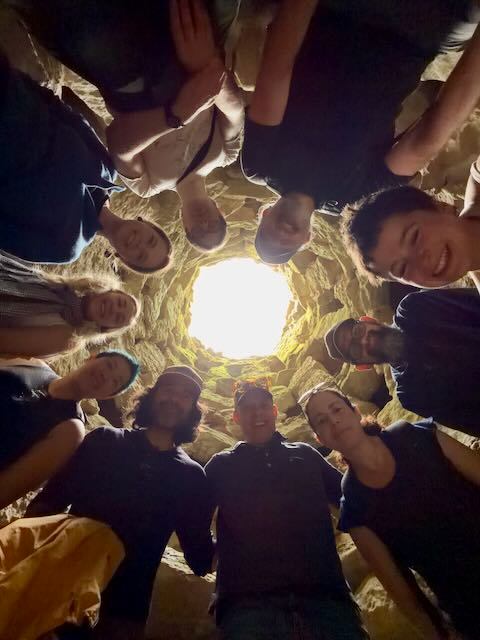
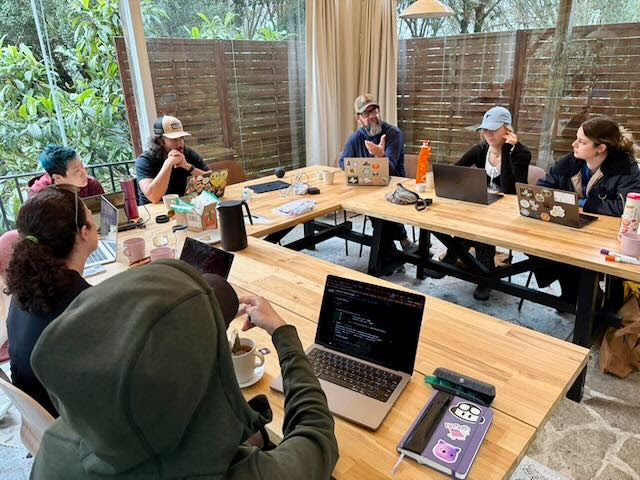
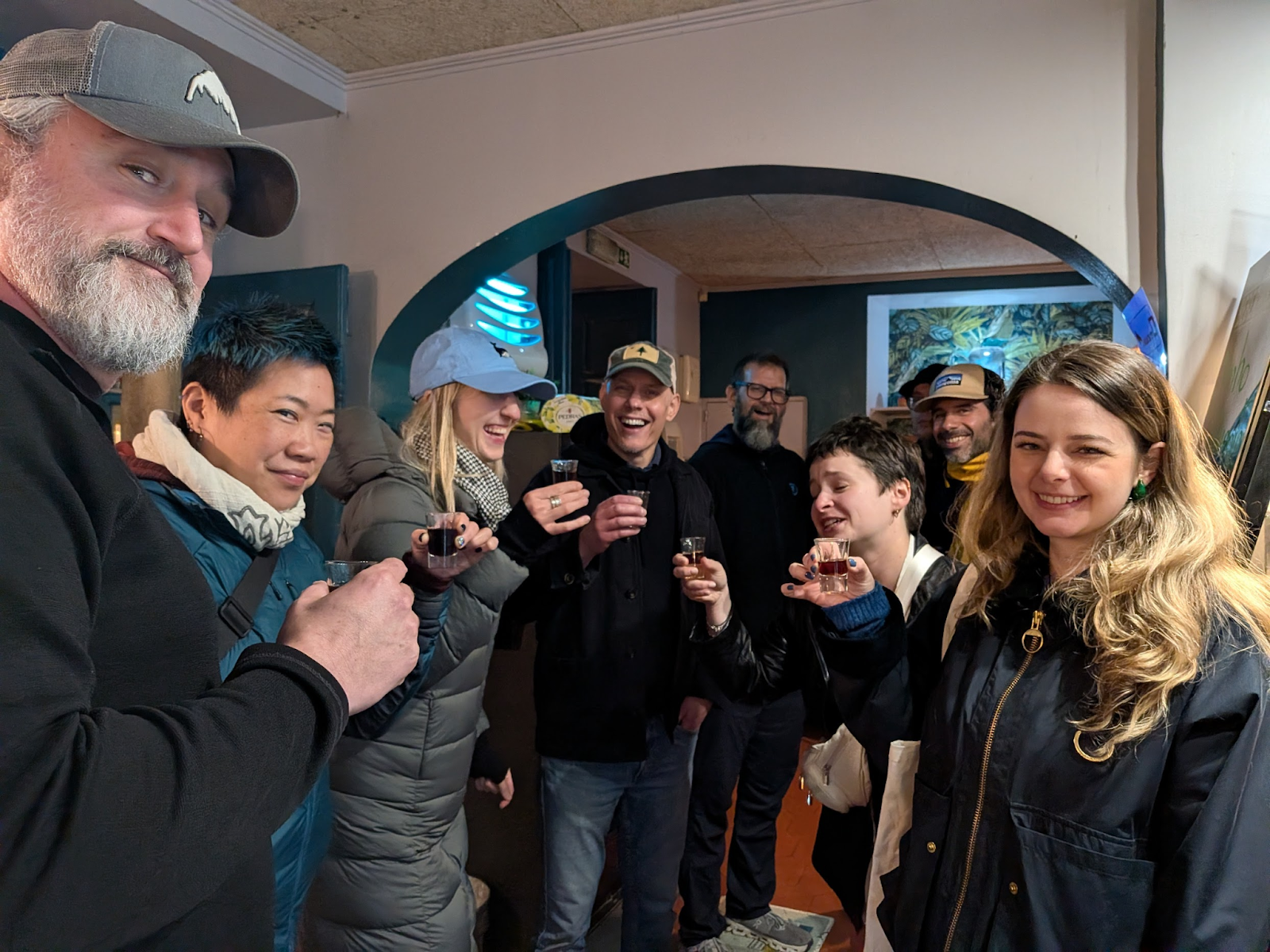
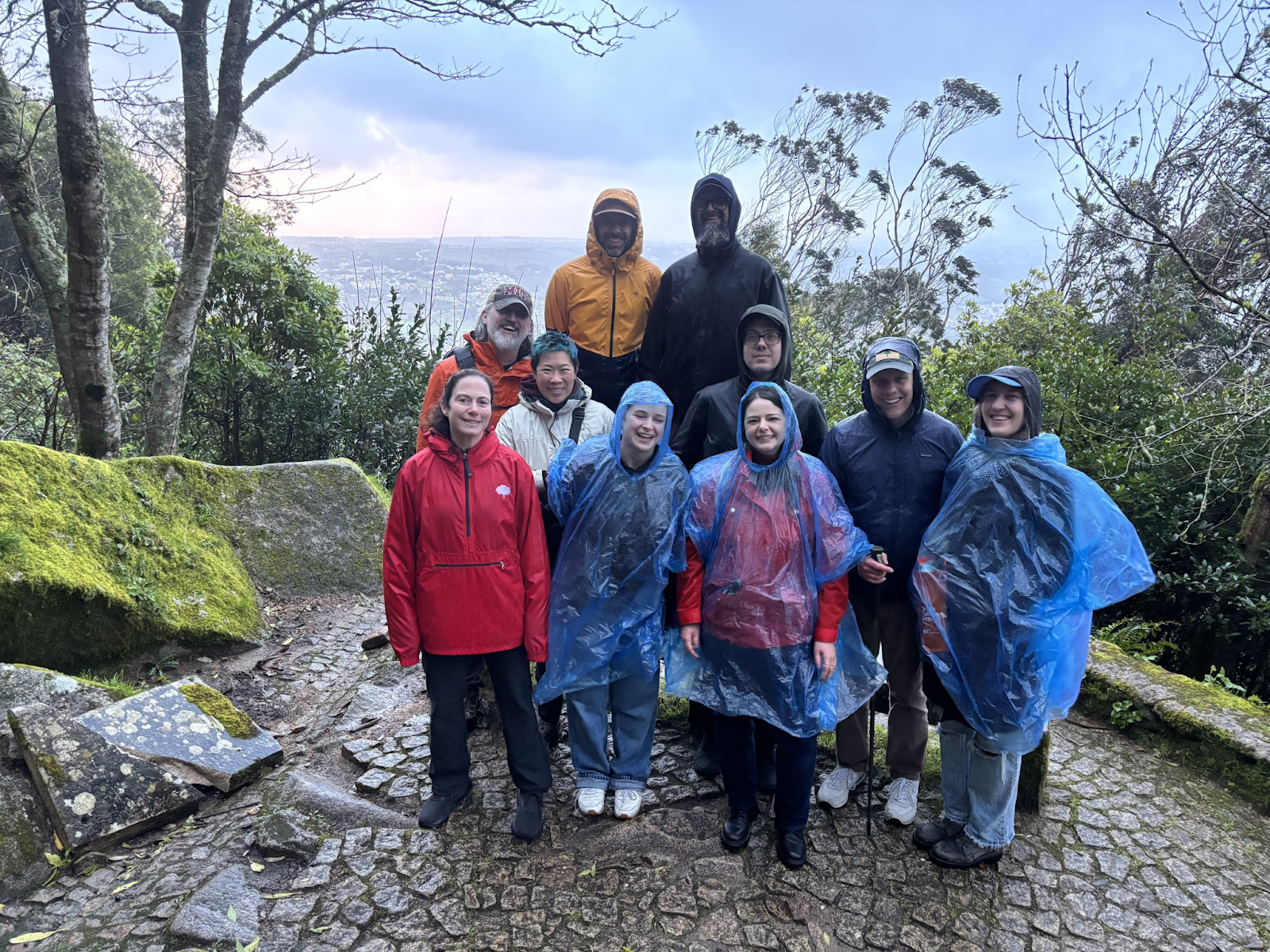
We packed a lot into a few days and minted more than a few lifetime memories—while coming back clearer than ever on how to keep building Flux so it helps engineering leaders see reality in their code and plan for what’s next.
Ted Julian is the CEO and Co-Founder of Flux, as well as a well-known industry trailblazer, product leader, and investor with over two decades of experience. A market-maker, Ted launched his four previous startups to leadership in categories he defined, resulting in game-changing products that greatly improved technical users' day-to-day processes.